Prescott's Best Homes Real Estate Blog

Sept. 8, 2025

Buying a Flipped House? Read This First

Buying a home


A freshly painted home with a brand-new kitchen, gleaming floors, and modern fixtures can be hard to resist. Flipped houses appeal to buyers who want a move-in-ready property without the hassle of undertaking renovations themselves. While these homes offer the allure of contemporary style and convenience, it's essential to look beyond the surface. A beautiful finish might hide rushed work or deeper structural problems.

This guide will walk you through the key considerations before you buy a flipped house. We will explore potential red flags, provide advice on how to assess the quality of the work, and help you perform the due diligence needed to make a wise investment.


The Good, The Bad, and The Ugly of Flipped Homes

A house flip happens when an investor buys a property, renovates it quickly, and sells it for a profit. A well-executed flip can result in a beautiful, updated home that feels brand new. The investor assumes the risk and headache of managing contractors, budgets, and timelines, ultimately delivering a finished product to the market.

However, not all flips are created equal. When profit is the primary motivator, some investors may prioritize speed and appearance over quality and safety. They might cut corners, use cheap materials, or cover up serious issues with cosmetic fixes. Your job as a buyer is to tell the difference between a quality renovation and a disaster waiting to happen.


Red Flags to Watch For in a Flipped House

Keep your eyes open for signs that suggest the renovation was rushed or poorly executed. While a single issue might not be a deal-breaker, a pattern of problems should make you pause and investigate further.


Obvious Cosmetic Flaws

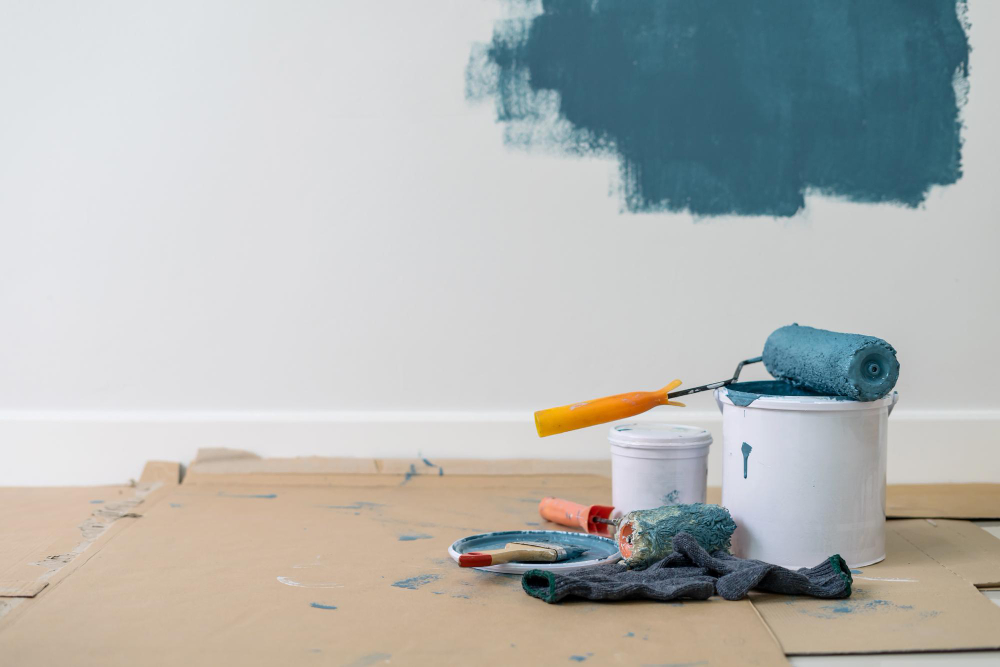
Start with the basics. Do you see sloppy paint jobs with drips on the trim or floors? Are there gaps between the new flooring and the baseboards? Are cabinet doors or drawers misaligned? These small details can be an indicator of the overall standard of work. If the easy-to-see finishes are messy, it's likely the hidden work is too.


A Suspiciously Low Price

If a beautifully renovated home is priced significantly below comparable properties in the area, ask why. While you might just be getting a great deal, a low price can also be a strategy to attract a quick sale before a buyer discovers underlying problems. The investor might be trying to offload the property fast to avoid the costs of fixing major issues they uncovered.


Lack of Permits

Significant renovations, such as moving walls, updating electrical systems, or altering plumbing, often require permits from the local municipality. Permits ensure the work is done to code and inspected for safety. Unpermitted work can create serious safety hazards, lead to fines, and cause problems when you try to sell the house later.


How to Evaluate the Quality of the Flip

Going beyond a standard viewing is crucial when considering a flipped property. You need to dig deeper to ensure the home is a sound investment.


Hire a Top-Notch Home Inspector

Hiring an experienced inspector is a vital step. Do not use an inspector recommended by the seller or their agent. Hire your own independent, highly-rated inspector with experience in renovated properties. Inform them that the house is a flip, so they know to look for common corner-cutting techniques.

Ask the inspector to pay special attention to the foundation, roof, electrical and plumbing, and HVAC systems.


Ask for a Detailed List of Renovations

Request a complete list of all the updates and improvements made to the home from the seller. This should include the scope of work, the materials used, and contact information for the contractors who performed the work. A transparent seller with nothing to hide should be willing to provide this documentation.

When you receive the list, ask for any warranties on new appliances, windows, or the roof that can be transferred to you. A reputable flipper often works with licensed professionals who stand by their work.


A Balanced Perspective on Buying a Flipped House

Flipped homes are not inherently bad investments. Many are renovated with care and skill, providing buyers with a wonderful, stress-free homeownership experience. The key is to approach the purchase with a healthy dose of skepticism and a commitment to thorough investigation.


By looking past the fresh paint and trendy light fixtures, you can uncover the true quality of the home. Do your homework, hire the right professionals, and don't be afraid to ask tough questions. Taking these steps will help you determine if the flipped house you love is a well-crafted home or just a pretty facade. Your due diligence today will protect your investment for years to come.


Call Me to Find Your Next Home

Call me when you are ready to look for your next home!  John Gorden at (928) 308-0101.

Posted in Buying a Home
Aug. 5, 2025

Home Renovations That Help Sell Your House Faster and for More Money

Bathroom remodel


Selling your home can be both exciting and stressful. You want to attract buyers quickly and sell it for the best possible price. One proven strategy to achieve this is through well-thought-out home renovations. Not all upgrades are created equal though—some projects yield a much higher return on investment (ROI) than others. Fortunately, many improvements are not only cost-effective but also significantly enhance your home’s marketability.

If you’re wondering where to begin, here’s a breakdown of renovations that will not only help sell your house faster but may also boost its final sale price.

1. Boost Curb Appeal to Make a Lasting First Impression

Your home’s exterior is the first thing potential buyers see. If this “first impression” doesn’t wow them, they might not even walk through the front door. Enhancing curb appeal is one of the most affordable and effective ways to draw buyers in.


Simple Curb Appeal Tips:

  • Freshen Up Landscaping  

Trim overgrown bushes, plant colorful flowers, and lay down fresh mulch. Landscaping upgrades can cost as little as $500 but can make a significant impact.

  • Paint the Front Door  

A bold yet tasteful color like navy blue, deep red, or classic black adds character. According to research, homes with black or charcoal-colored doors sold for an average of $6,000 more than expected.

  • Power Wash Exterior Surface  

Power washing is a budget-friendly way to remove dirt and grime and make your home’s exterior look newer.

  • Upgrade Lighting Fixtures  

Swapping out old porch lights for sleek, modern options improves both function and style.

Curb appeal sets the tone for everything else buyers will see inside. Even minor changes like a new welcome mat or planting window boxes can make your home more inviting.


2. Focus on Kitchen Upgrades—The Heart of the Home

Kitchens can make or break a sale. Buyers tend to place a lot of emphasis on this space, so ensuring it looks modern, functional, and visually appealing is essential. That being said, you don’t need to undertake a full-scale remodel to achieve results.


Budget-Friendly Kitchen Improvements:

  • Update Cabinetry  

If new cabinets are out of your price range, consider painting your existing ones with a neutral color like white or gray and adding contemporary hardware.

  • Replace Countertops  

Laminates that mimic the look of stone are cost-effective and appealing alternatives to expensive materials like granite or quartz.

  • Modernize Appliances  

Swap outdated appliances for energy-efficient stainless steel models. Many buyers see modern appliances as a signal that the kitchen is well-maintained and ready to use.

  • Upgrade Lighting  

Install pendant lighting over the island or a statement chandelier to elevate the space’s aesthetic.

A minor kitchen remodel typically delivers an ROI of about 70–80%, making it one of the most lucrative spaces to update when selling your home.


3. Refresh Bathrooms for a Modern Look and Feel

A clean and stylish bathroom is a significant selling point for buyers. While a complete bathroom remodel can be expensive, there are affordable ways to make a substantial impact.


Quick Bathroom Upgrades:

  • Swap Old Fixtures  

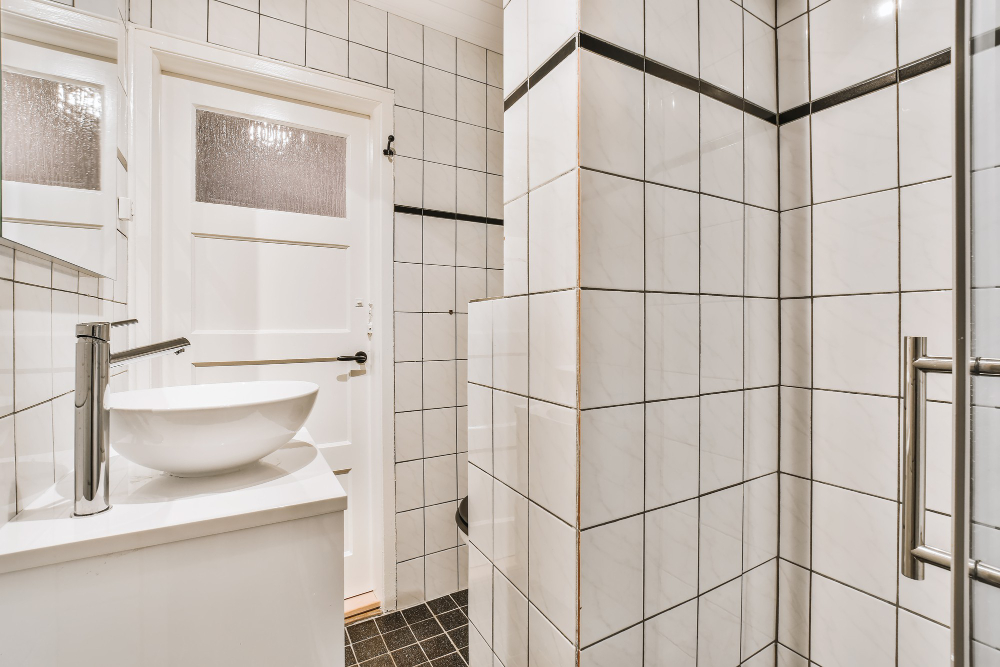
Replace faucets, showerheads, and towel bars with brushed nickel or matte black finishes for a modern touch.

  • Regrout and Polish Tiles  

Buyers might overlook dated tile if the grout lines are clean and fresh.

  • Add Storage  

Installing floating shelves or a small vanity with built-in storage keeps clutter out of sight.

  • Install New Flooring  

Vinyl or porcelain tiles are budget-friendly and durable choices that create a sleek, updated appearance.

  • Paint Walls with Neutral Colors  

Fresh paint, particularly in light, neutral tones, can make even a small bathroom feel bright and airy.

Well-done bathroom upgrades often yield an estimated ROI of 60–70%.


4. Make Energy-Efficient Upgrades

Eco-consciousness is on the rise among prospective buyers. Homes that boast energy-efficient features not only attract more attention but also signal long-term savings on utility bills.


Popular Energy-Efficient Renovations:

  • Install LED Lighting  

LED bulbs are inexpensive, environmentally friendly, and can last for years.

  • Upgrade Windows  

Buyers love double-pane or energy-efficient windows, especially in older homes with drafty windows. Window upgrades can recoup up to 68% of the cost through added home value.

  • Add a Smart Thermostat  

A programmable thermostat is an inexpensive way to improve energy efficiency while adding modern convenience.

  • Replace an Outdated HVAC System  

While this is a larger upfront investment, replacing an old HVAC system can vastly improve your home’s overall appeal to buyers who value energy savings.

By focusing on energy-efficient upgrades, you appeal to cost-savvy buyers and position your home as environmentally responsible.


5. Use Neutral Colors and Stage the Space

When buyers tour your home, they need to picture themselves living there. Bold paint choices or too much personal decor can be distracting.


Steps to Neutralize and Stage:

  • Neutral Color Palette  

Repaint walls in soft, neutral shades like beige, white, or greige. These colors not only make spaces feel larger but also appeal to a broad audience.

  • Declutter Thoroughly  

Remove excess furniture and personal items to highlight the home’s functionality. Buyers prefer a blank canvas to imagine their belongings in the space.

  • Add Inviting Touches  

Think fresh flowers, cozy throws on a sofa, or a stylish centerpiece on the dining table. These small details make the home feel warm and welcoming without being overly personal.

Staging is a powerful tool. Homes that are staged typically sell 88% faster and for 20% more, according to real estate studies.


6. Address Minor Repairs and Improvements

A home that feels “move-in ready” stands out in the market. Small, overlooked issues can give buyers the impression that the house hasn’t been well-maintained.


Key Fixes to Consider:

  • Patch wall holes or scratches.
  • Replace broken tiles or loose floorboards.
  • Fix squeaky doors, leaky faucets, or sticky windows.
  • Deep clean carpets or, better yet, install laminate or wood flooring in living spaces for a modern, clean appearance.

These minor updates might cost a few hundred dollars but go a long way toward preventing red flags during buyer walkthroughs.


Final Thoughts

Selling your house doesn’t have to include significant, bank-breaking renovations. Focus on high-impact, cost-effective improvements like improving curb appeal, updating kitchens and bathrooms, and enhancing energy efficiency. Decluttering, using neutral colors, and staging can also help buyers envision themselves in the space, making your home more attractive. With proper planning, these fixes can significantly increase your chances of selling quickly—and for a price you’ll love.


Now it’s time to prioritize and start tackling these projects. Let me help you find your future buyer who is waiting for a home just like yours!  John Gorden 928-308-0101

Posted in Selling Your Home
July 8, 2025

Items to Inspect Yourself When Buying a Home

Inspect Plumbing


Buying a home is one of the most significant milestones and financial commitments you'll make. While a professional inspection is crucial before signing on the dotted line, there are also several things you can inspect personally during a home visit. These self-checks can help you identify potential issues early and decide if a property is worth pursuing.

Here's a breakdown of the key areas to inspect yourself when buying a home, along with practical tips to guide you through the process.


1. Inspecting the Exterior


The exterior of a house can reveal a great deal about its overall condition. Start by walking around the property and closely observing these elements:


Roof

  • Look for missing, curling, or damaged shingles, as well as any signs of sagging.  
  • Check for moss or lichen, which can indicate water damage or aging.  
  • If the home has gutters, see if they're securely attached and free from debris.  


Foundation

  • Examine the foundation for cracks, crumbling areas, or signs of water seepage.  
  • Unevenness around the base could indicate settling or structural issues.  


Small cracks are typical in older homes, but any crack wider than 1/4 inch warrants closer attention.  


Siding and Paint

  • Inspect the siding for cracks, warping, or rot, particularly near the ground where moisture tends to accumulate.  
  • Look for peeling paint, which can expose wood to the elements and lead to decay.  


2. Checking the Interior


Once inside the house, take your time reviewing the structure and functionality of these areas:


Walls and Ceilings

  • Look for stains or discoloration, which might indicate water damage or leaks.  
  • Check for cracks—horizontal cracks may suggest structural problems.  


Floors

  • Walk across different areas to feel for any sagging, squeaking, or unevenness.  
  • Look for water stains or damage to wooden floors, which may indicate past plumbing issues.  


Windows and Doors

  • Open and close every window and door to ensure they work smoothly.  
  • Check for drafts or difficulty latching, which might indicate poor insulation or alignment issues.  

Double-paned windows that fog up may have broken seals, which reduces their energy efficiency.


3. Inspecting the Plumbing and Electrical Systems


Basic plumbing and electrical issues can disrupt your daily life. Take the time to check the following:


Plumbing

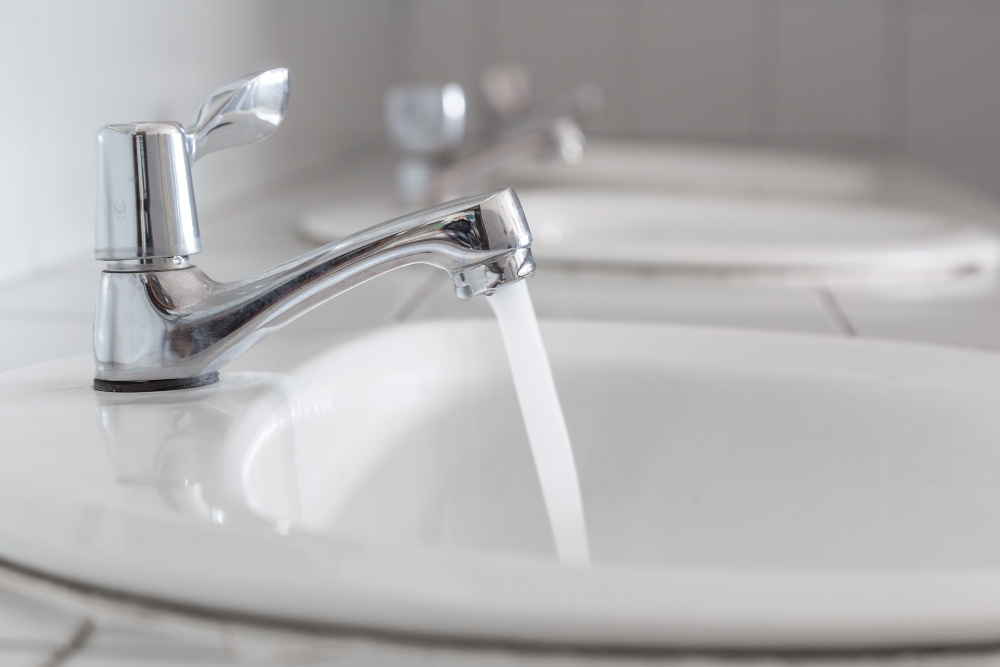
  • Turn on the faucets and notice the consistency of the water pressure.  
  • Look under sinks for leaks or water stains.  
  • Flush all toilets to make sure they operate correctly.  


Electrical Outlets and Switches

  • Test light switches, and check if any outlets are loose or visibly damaged.  
  • Look for scorch marks or unusual odors near outlets or the breaker panel.  


4. Testing Appliances and HVAC Systems


Many homes come equipped with appliances and essential systems. Here's how to assess them:


Kitchen Appliances

  • Open and test the stove, oven, range hood, and dishwasher.  
  • Look for signs of rust or wear on the interiors, which may indicate poor maintenance.  


HVAC and Water Heater

  • Turn on the heating and cooling systems to ensure they function without strange noises.  
  • Check the furnace filter—it's often a good indicator of how well the system has been cared for.  


While your personal inspection cannot replace a professional one, it can help you spot potential deal-breakers early. Use this checklist as a guide during home visits, so you know what to look for and where to focus your attention.

When you're ready to move forward, hiring a qualified inspector is essential. They'll uncover hidden issues that you might miss, providing peace of mind before the deal is closed. By combining your own observations with a professional's expertise, you'll be better equipped to make a confident and informed decision. Good luck on your home-buying adventure - give me a call when you are ready to start looking for your next home. 


John Gorden

928-308-0101

Posted in Buying a Home
June 4, 2025

Essential Steps to Take Before You Start Your Home Search


Buying a home is a milestone that's both exciting and daunting. But before you start visiting open houses and scrolling through properties online, there are critical steps to set yourself up for success. By preparing in advance, you can streamline the process, avoid unnecessary stress, and, most importantly, find a home that checks all your boxes. Here are the key steps to take before officially starting your home search.


1. Define Your Budget

Budgeting is the foundation of your home search. Start by assessing your financial situation, including your income, savings, and existing debts. Use an online mortgage calculator to get a sense of how much you can afford in terms of monthly payments. Don't forget to factor in additional costs, such as property taxes, insurance, and maintenance.

Tip: Get pre-approved for a mortgage. This not only gives you a clear picture of your budget but also shows sellers that you're a serious buyer.

2. Determine Your Must-Haves and Deal-Breakers

Take some time to figure out the features and amenities that matter most to you. Do you need three bedrooms, or is a big backyard more important? Are you set on a specific neighborhood, or are you flexible? Write down your must-haves and deal-breakers to help you stay focused during your search.

Common considerations include:

  • The number of bedrooms and bathrooms
  • Proximity to work, schools, or public transportation
  • Backyard space or outdoor areas
  • Homestyle (condo, single-family home, townhouse, etc.)

This list will help you prioritize and narrow your options effectively.

3. Research Neighborhoods

Location is everything in real estate. Take the time to research neighborhoods that align with your lifestyle and priorities. Consider key factors like:

  • Local schools
  • Amenities like parks, shopping, and restaurants
  • Commute times
  • Safety and overall vibe

Visit potential neighborhoods at different times of the day to gauge the traffic, noise, and activity levels. This step will help ensure that you're not just buying a house but also investing in a community you'll love.

4. Check Your Credit Score

Your credit score plays a significant role in the home-buying process, as it affects your mortgage rates and loan eligibility. Review your credit report early so you have time to address any inaccuracies or issues. A higher credit score could save you thousands of dollars over the life of your loan.

If your credit score needs improvement, consider:

  • Paying down high-interest debts
  • Making on-time payments
  • Avoiding new credit applications

5. Save for Your Down Payment and Closing Costs

Before you begin your home search, it's crucial to have sufficient savings set aside for your down payment, closing costs, and an emergency fund. While many lenders accept a minimum down payment of 3% to 5%, putting down 20% can save you from paying private mortgage insurance (PMI).

Closing costs can range from 2% to 5% of the home's purchase price, so be sure to incorporate that into your savings plan as well.

6. Work with a Real Estate Professional

Navigating the world of real estate can be tricky, especially for first-time homebuyers. Partnering with a knowledgeable real estate agent can make all the difference. They'll guide you through the process, help you negotiate the best deal, and connect you with resources like home inspectors and lenders.

Tip: Look for an agent who specializes in your desired area and has a strong track record of success.

7. Understand the Current Market

The real estate market can vary dramatically depending on the time of year and your location. Research whether it's a buyer's or seller's market to adjust your expectations and strategy accordingly.

  • Buyer's Market: When there are more homes available than buyers, giving you more negotiating power.
  • Seller's Market: When demand outpaces supply, leading to higher prices and quicker sales. Be prepared to act fast, but stay within your budget.

8. Prepare for the Emotional Journey

Buying a home can be a rollercoaster of emotions. You might fall in love with a property only to lose it to another buyer or have to make tough compromises along the way. Set realistic expectations and remind yourself that your perfect home is out there.

9. Create a Timeline

If you're aiming to move by a specific date, work backward to create a realistic timeline for your home search. Searching, negotiating, and closing can take several months, so plan accordingly. Having a timeline helps you stay on track and minimizes last-minute surprises.

10. Get Familiar With Home Inspections and Appraisals

While these aren't typically needed until later in the process, understanding what to expect from home inspections and appraisals can prepare you for what's to come. Inspections help identify any potential issues with the property, while appraisals ensure you're paying a fair price.

Final Thoughts

Starting your home search can feel overwhelming, but with preparation and research, you can make the process smoother and more enjoyable. Use these steps to set yourself up for success and find a home that meets your needs and budget.


Looking for expert guidance? Call me.  I will help you every step of the way!


John Gorden

(928) 308-0101

Posted in Buying a Home
May 8, 2025

How to Baby Proof Your House for Visitors

Creating a safe environment is essential when you're hosting guests with little ones. Babies and toddlers are naturally curious (and quick!), so ensuring your home is baby-proofed can save you and your visitors a lot of stress. Whether it's a family reunion or a playdate, these tips will help you prepare your home to keep tiny adventurers safe. 

Why Baby Proofing Matters for Guests 

While your home might already be safe for adults, it could pose hidden hazards for babies and toddlers. From sharp table edges to tempting electrical outlets, kids can quickly find trouble where adults don't think to look. Taking a few extra steps to baby-proof your space helps keep everyone comfortable during their visit. 

Room-by-Room Baby Proofing Tips   

Babyproofing doesn't have to be overwhelming. The best approach is to tackle it systematically, room by room. Here's how you can effectively baby-proof essential areas of your home.   

Living Room   

The living room is often where babies spend the most time, so start here.  

  • Cover electrical outlets with tamper-proof outlet covers to prevent tiny fingers from exploring the plugs.
  • Secure sharp furniture edges like coffee tables and TV stands with corner guards.
  • Anchor heavy furniture, such as bookshelves and televisions, to the wall to reduce the risk of tipping.
  • Keep small objects out of reach to avoid choking hazards. This includes coins, toys with small parts, and decorative items.

Kitchen   

The kitchen holds some of the most hazardous items, but you can baby-proof it without compromising functionality.  

  • Lock your cabinets and drawers that store sharp objects, cleaning supplies, or small items using cabinet locks or latches.
  • Use stove knob covers to prevent little hands from turning burners on.
  • Install an oven lock to ensure your child can't open the door when the oven is in use.
  • Store appliances like blenders or toasters out of reach, and unplug them when not in use. 

Bathroom   

Bathrooms are compact but often packed with potentially dangerous items.  

  • Install a toilet lock to prevent curious hands from lifting the lid (and dropping items into the water).
  • Keep cleaning products, medications, and toiletries in a locked cabinet.
  • Use a non-slip bath mat and never leave your baby unattended in the tub, even if they are using a bath seat. 

Nursery   

While the nursery may seem like the safest space, there are a few details to consider.  

  • Choose a sturdy crib with slats spaced no more than 2 3/8 inches apart. Avoid crib bumpers, pillows, and heavy blankets, which can pose suffocation risks.
  • Anchor furniture like dressers and changing tables to the wall to prevent tipping.
  • Keep cords from curtains and blinds out of reach by securing them with cord winders or tying them up high. 

Stairs & Hallways   

Open staircases and hallways seem open areas, but they require extra attention.  

  • Install safety gates at the top and bottom of staircases to prevent accidents.
  • Secure loose rugs or mats in hallways to prevent tripping. 

General Baby Proofing Essentials   

These additional tips apply to multiple spaces in your home and can further enhance safety.  

  • Cover doors: Install doorknob covers to restrict access to certain rooms, like laundry or storage areas.
  • Be mindful of cords: Keep electrical cords, chargers, and even table lamp cords out of sight or secured to the wall.
  • Use cabinet locks universally: Beyond the kitchen, remember to secure any cabinets that your baby might open, such as those in laundry rooms, garages, or closets. 

Baby Proofing Must-Have Products   

Here are a few reliable products that can help you baby-proof with ease.  

  • Safety gates for stairs or open doorways
  • Corner protectors for furniture edges
  • Outlet covers to keep electrical sockets secure
  • Cabinet and drawer locks for hazardous spaces
  • Appliance locks for stoves, refrigerators, and more
  • Anti-tip furniture straps for heavy items 

Call John Gorden   

Babyproofing your home for visitors doesn't need to be a daunting task. By addressing a few key areas, you can ensure safety and create a welcoming and stress-free environment for your guests.   

If your guests are considering moving to the Prescott area, I can help them find their next home. Call John Gorden at 928-308-0101.


Posted in Prescott, AZ
April 3, 2025

The Ultimate Moving Day Survival Kit: What You Need to Make Moving Day Easier


Moving Day Survival


Moving day can be overwhelming. A lot is happening at once between packing up your belongings, dealing with logistics, and navigating to your new home. That's why having a "moving day survival kit" is a game-changer. With the right essentials on hand, you can keep your stress level low and ensure a smoother transition.  

Here's everything you'll want to have set aside when moving day arrives.  


Why Create a Moving Day Survival Kit?  

A moving day survival kit is a collection of must-have items you keep separate from the rest of your packed belongings. This kit ensures that you have easy access to everything you need without digging through boxes or bags. From basic necessities to tools for problem-solving, your survival kit is your secret weapon for a stress-free move.  

Now, let's break down exactly what should go into your kit.  


The Essentials  

You'll use these items multiple times on moving day to stay comfortable and organized.  

  • Bottled Water and Snacks: Stay hydrated and keep your energy up with water and easy-to-eat snacks like granola bars or nuts. Moving is hard work!  
  • Important Documents: Gather essential documents like IDs, lease agreements, utility information, and moving company contracts. Keep these in a folder within arm's reach.  
  • Medication: Transport any daily prescriptions or over-the-counter medicines separately so they're easily accessible when you need them.  


Cleaning Supplies  

Before settling into your new home, you'll want to give it a fresh start. Here's what to include in the cleaning department:

  • All-Purpose Cleaner or Disinfectant Spray  
  • Paper Towels or Cleaning Rags  
  • Trash Bags for any debris or leftover packing materials  
  • Broom, Dustpan, or handheld Vacuum  


Tool Kit  

You never know when you'll need a quick DIY fix, especially when assembling furniture or removing old fixtures. A small kit with these basics will go a long way:

  • Screwdriver (flathead and Philips)  
  • Hammer  
  • Measuring Tape  
  • Box Cutter  
  • Duct Tape or Packing Tape  


Comfort Items for the End of the Day  

The first night in a new home can be unsettling, especially if your items are still packed up. Include a few comfort items to get through the evening.  

  • Charged Phone and Charger (don't forget a portable charger for emergencies)  
  • Toilet Paper and Hand Soap (trust us, you'll need these immediately)  
  • Bedding or Sleeping Bag (something to sleep on if your furniture isn't set up yet)  
  • Change of Clothes and Toiletries (to feel refreshed after a long day)  


Emergency Items  

Moving day comes with surprises, but these emergency staples will help you stay prepared.  

  • First Aid Kit with band-aids, pain relievers, and antiseptic cream  
  • Flashlight in case of unexpected power outages  
  • Battery Pack or Power Bank for electronic devices  


Bonus Items for Families with Kids or Pets  

If you're moving with children or pets, their comfort is crucial. Add these to your survival kit:

  • For Kids:
    • Toys or games to keep them occupied  
    • Snacks and juice boxes  
    • Comfort items like a favorite blanket or stuffed toy  
  • For Pets:
    • Food and water bowls, along with a portion of their food  
    • Leashes, carriers, or crates  
    • Familiar bedding or a toy to reduce stress  


Pack It All Into a Handy Bag or Box  

Once you've gathered everything, pack the items into a sturdy bag, backpack, or storage bin. Clearly label it your "Moving Day Survival Kit" and keep it with you during the move. Whether traveling by car, truck, or moving van, make it easy to locate.  


Prescott's Best Homes Can Help  

Moving day doesn't have to be chaotic. With a well-prepared survival kit, you'll have everything you need at your fingertips, making the process easier and less stressful. Take the time to gather these essentials in advance so you can transition to your new home with less worry and more excitement.  


Need more moving tips or advice? I have been helping people relocate for decades; call John Gorden at 928-308-0101.

Posted in Moving Tips
March 11, 2025

What Is a Real Estate Pocket Listing?

Pocket Listings

If you're in the real estate game—whether as a buyer, seller, or realtor—you might have encountered the term "pocket listing." While not as commonly discussed as traditional property listings, pocket listings are essential to understand, especially in competitive markets or unique selling circumstances.


This blog will explain pocket listings, why they exist, and their implications for real estate professionals and clients alike.


What is a Pocket Listing?

A pocket listing refers to a property not marketed on the Multiple Listing Service (MLS), the primary database real estate agents use to share property listings. Instead, the property is marketed privately, usually to a select group of buyers or agents. These listings remain "in the agent's pocket," which is how the term originated.


For instance, a homeowner may choose to sell their property discreetly, allowing only specific agents or potential buyers to know about the sale: no public online listings, no "for sale" signs, and no broad advertising.


Instead of being accessible to a large pool of buyers on traditional platforms, pocket listings rely on more intimate, frequently pre-existing networks.


Why Do Pocket Listings Exist?

Pocket listings may seem counterintuitive in a real estate market that thrives on visibility and competition, but they serve specific purposes. Here are some reasons sellers or agents may choose this approach:

1. Privacy Concerns

Some homeowners may not want the general public to know they're selling their property. They could be public figures seeking discretion or just prefer to avoid a flood of interest from buyers or nosy neighbors.

2. Exclusive Appeal

Keeping a property off the MLS can create a sense of exclusivity. For high-end homes, pocket listings can become an exclusive opportunity for elite buyers, signaling prestige and rarity in the housing market.

3. Testing the Market

Sellers may use a pocket listing to gauge interest in their home or its price before committing to a full-scale listing. It allows them to adjust their strategy without having a failed listing on record.

4. Avoiding Days-on-Market Stigma

Homes listed publicly often have a "days-on-market" counter. Buyers might view a home with a high number of days on the market as undesirable, even if the reason for the delay is unrelated to the property itself. Pocket listings avoid this exposure entirely.

5. Certain Buyer Preferences

For off-market properties, sellers can opt to entertain offers solely from pre-qualified buyers or those within their agent's network. This focuses efforts on serious, qualified buyers, potentially streamlining the process.


What are the Pros and Cons of Pocket Listings?

While pocket listings can benefit certain sellers and buyers, this method has its benefits and drawbacks.

Pros:

  • Discreet Process: Ideal for sellers who value privacy and want to avoid unnecessary attention.
  • Targeted Buyers: Focuses energy on serious, pre-qualified buyers only.
  • Control: Sellers often feel they have more control over the process, pricing, and buyers.


Cons:

  • Limited Exposure: Since the property isn't on the MLS, it won't reach as broad an audience, potentially missing out on higher offers.
  • Reduced Competition: Without multiple buyers bidding on the property, sellers may miss out on competitive offers that drive the price up.
  • Legal Risks: Missteps in communication or process can raise ethical concerns or violations of fair housing laws.
  •  

Prescott's Best Homes Can Help

While pocket listings aren't the norm, they highlight the flexibility of the real estate market and serve specific needs that traditional listings might not. Whether you're a seller looking for discretion or a buyer seeking exclusive access to unique properties, pocket listings open up a new realm of possibilities.

If you're curious about pocket listings or want expert guidance on buying or selling property, don't hesitate to call me. John Gorden 928-308-0101. Remember, knowledge is key in navigating the dynamic world of real estate.

Posted in Selling Your Home
Feb. 4, 2025

How to Stay Safe While Using Your Mobile Phone

Cell Phone Usage


Mobile phones are essential to our lives—whether working, staying in touch with loved ones, or keeping up with the latest news. However, they present specific risks if used improperly. By following a few simple precautions, you can protect your privacy, personal data, and well-being while taking full advantage of this incredible technology.  

Below are some practical tips to ensure safe mobile phone usage.  


1. Protect Your Personal Information  

Your personal information is valuable, and safeguarding it is crucial. Here's how you can do so effectively:

  • Use Strong Passwords: Lock your phone with a strong passcode and biometric security like fingerprints, or facial recognition for an added layer of protection. Avoid common passwords like "1234" or your birthday.
  • Enable Two-Factor Authentication (2FA): Wherever possible—especially for apps like email, banking, or social media—enable 2FA. It adds layer of verification.
  • Avoid Public Wi-Fi for Sensitive Tasks: Using public Wi-Fi increases the risk of hackers intercepting your data. A VPN (Virtual Private Network) is highly recommended if you must use it.
  • Be Mindful of App Permissions: Many apps request access to your contacts, location, or camera. Grant permissions sparingly and only when necessary.  

2. Avoid Phishing Scams and Fraudulent Links  

Cybercriminals often use mobile devices for phishing attacks. Stay vigilant by:

  • Scrutinizing All Links: Don't click on links in messages or emails from unknown sources. Scammers often disguise links to look like legitimate websites.
  • Avoiding Unsolicited Calls or SMS: Don't share personal information with anyone you don't know, even if the sender seems legitimate.
  • Installing a Reliable Security App: Security apps can help detect phishing attempts and secure your data against threats.  

3. Keep Your Phone Software Updated  

Updates might seem inconvenient, but they are vital in keeping your device secure.  

  • Regularly Update Your OS: Operating system updates often include patches for security vulnerabilities that hackers exploit.  
  • Update Your Apps: Old app versions can serve as entry points for malware. Enable auto-updates to streamline this process.  

4. Limit Screen Time for Your Safety  

Excessive phone usage isn't just mentally taxing—it can affect your physical safety, too.  

  • Be Cautious While Walking or Driving: It's easy to become distracted by your phone. Avoid texting while walking, and never use your phone while driving. Use hands-free devices instead.  
  • Limit Screen Time to Avoid Eye Strain: Overuse can lead to digital eye strain. Use your phone's blue-light filter and take regular breaks using the 20-20-20 rule (look at something 20 feet away for 20 seconds every 20 minutes).  

5. Safeguard Against Physical Theft  

Losing your mobile phone can mean losing access to sensitive data. Here's how to reduce the risk:

  • Be Mindful of Your Surroundings: Keep your phone secure in public places to avoid theft. Avoid leaving it on tables or counters when not in use.  
  • Use Tracking Features: Use "Find My iPhone" for iPhones or "Find My Device" for Android to locate your phone quickly if it's lost or stolen.  
  • Remote Erase Capability: Enable a feature to remotely erase your phone if needed, ensuring sensitive data doesn't fall into the wrong hands.  

6. Secure Your Wireless Connections  

Hackers can exploit insecure connections, leaving your phone and data vulnerable.  

  • Turn Off Bluetooth and Hotspot When Not in Use: Open, unattended connections can allow unauthorized access.  
  • Use Secure Bluetooth Pairing: Always verify pairing requests before connecting your device to any Bluetooth-enabled gadget.  

Hopefully, these tips were helpful. If you would like help with real estate in the Prescott area, give me a call. I would love to put my years of experience to work for you. John Gorden, 928-308-0101


Posted in Prescott, AZ
Jan. 7, 2025

Mistakes to Avoid After Applying for a Mortgage


Mortgage tips


Once you've submitted your mortgage application, it might feel like the hard part is finally over. You've provided your income details, collected all the paperwork, and are one step closer to owning your dream home. But here's the catch—your mortgage approval isn't set in stone yet. There are still some crucial dos (and don'ts) to be mindful of as you wait for that all-important approval letter. 


Lenders are meticulous—they don't just evaluate your financial stability at the time of application; they keep assessing it right up until the closing day. A single financial misstep during this period could jeopardize your approval. 


Understandably, this process can be nerve-wracking, but knowing what to avoid can help you sail through it smoothly. Below, we'll unpack the top mistakes to avoid after submitting your mortgage application.


Do not change jobs! 

A lender's favorite word is stability! Stability includes a consistent employment history, and a job change can often cause loan denial or, at the very least, a delay in processing. If you plan on making a job change, do it before you begin the mortgage application process or after you close. Remember that lenders generally require you to be at your job for at least two years to qualify for a loan.


Do not make any large purchases! 

A mortgage lender will pull your credit report at different stages of the loan process: when you first apply and before closing. Making large purchases between these stages could change your debt-to-income ratio and affect your ability to close the loan. So, no new cars or appliances until after you close your home!


Do not apply for new credit, and don't close any credit accounts!

During the mortgage process, your credit score is subject to change. New credit applications can lower your score, and closing existing accounts can also negatively affect you. So again, no new cars or credit cards until after you've closed on your home!


Do not change your bank account!

Lenders like to see stability in your bank account, so resist the urge to close or open any new accounts while you go through the mortgage process.


Do not make large deposits!

Depositing a large sum of money into your bank account can cause concern for lenders. If you have a windfall, such as an inheritance or a tax refund, speak to your lender beforehand to find the best way to handle it.


Do not co-sign any loans!

Co-signing a loan for someone else can affect your debt-to-income ratio and may cause problems with your mortgage loan. So, if possible, avoid co-signing any loans while you're in the middle of the home loan process.


Applying for a mortgage is a milestone, and feeling eager to move ahead with your home-buying plans is understandable. However, staying financially consistent and avoiding these common mistakes will help ensure a smooth path to securing your dream home. 


Remember, every decision and action you take during this time could influence your lender's trust in your financial reliability. You'll soon cross the finish line towards homeownership by practicing patience and sticking to a "steady as she goes" approach. 


Have real estate questions? Give me a call, and I'd love to help!  John Gorden (928) 308-0101

Posted in Buying a Home
Dec. 3, 2024

10 Practical Tips to Sell Your Home Fast


Selling your home can feel daunting, especially if you want to close a deal quickly. Whether you're relocating, upgrading, or simply ready for a change, time is often of the essence when putting your property on the market. Luckily, there are proven strategies to help you attract buyers faster and secure a favorable sale.  


This guide shares 10 practical tips home sellers can use to sell their homes quickly. From sprucing up your curb appeal to setting the right price, these actionable steps will ensure you're one step closer to handing over the keys.  


Why Selling Fast Matters  

When a home sits on the market too long, buyers often assume there's an issue with the property—even if it's a great home. This perception can ultimately lower your home's value or reduce your ability to negotiate. A faster sale avoids this stigma and minimizes carrying costs like mortgage payments and utilities.  

Here's how to get your home market-ready and attract serious buyers quickly.


1.  Price It Right from the Start  

Pricing is often the most significant factor in determining how fast your home sells. Research your local market and look at comparable houses (usually called "comps") to set an attractive and competitive price. Keep in mind that overpricing could scare buyers away, while underpricing might raise questions about the property's value.  

A good tip is to work with a trusted real estate agent who can provide insights into current market trends and help you strike the right balance.


2.  Boost Your Curb Appeal  

The first impression is everything. When potential buyers drive up to your home, you want them to feel welcomed and intrigued. Here are a few simple ways to improve your curb appeal:

  • Mow the lawn and edge the pathways.  
  • Add fresh mulch to flower beds.  
  • Repaint the front door or replace outdated hardware.  
  • Clean windows and power wash the driveway.  

A well-maintained exterior signals that the home has been cared for, enticing buyers to take a closer look.


3.  Declutter and Depersonalize  

When showing your home, buyers need to envision themselves living there. A clutter-free, depersonalized space is key to making that happen.  

  • Pack away personal items like family photos and unique décor.  
  • Clear countertops, shelves, and closets to maximize the sense of space.  
  • Keep furniture minimal and arranged to highlight your home's best features.  

This step may take some time, but creating an inviting, neutral space is one of the most effective ways to attract buyers.


4.  Stage Your Home for Maximum Appeal  

A well-staged home creates an emotional connection with buyers, leading to faster sales. Consider hiring a professional stager or DIY staging with these simple steps:

  • Use soft, neutral colors for furniture and décor.  
  • Highlight focal points, such as fireplaces and feature windows.  
  • Rearrange furniture to make rooms look larger and more functional.  

Staging can make even older homes feel modern and move-in ready, helping them stand out in a competitive market.


5.  Enhance Lighting Throughout the Home  

No one wants to buy a dark, gloomy space. Maximize the lighting in your home to make it more welcoming.  

  • Open blinds and pull back curtains to bring in natural light.  
  • Replace dim bulbs with brighter, energy-efficient options.  
  • Add table lamps or floor lamps in darker rooms to create warmth.  

Bright, airy spaces are much more appealing to potential buyers, making your home feel larger and more cheerful.


6.  Deep Clean Every Corner  

A spotless home sends a message that it's been well-maintained, making buyers feel more confident about their purchase. Focus on these often-overlooked areas:

  • Scrub tile and grout in kitchens and bathrooms.  
  • Clean carpets, upholstery, and rugs.  
  • Dust baseboards, ceiling fans, and light fixtures.  

If cleaning feels overwhelming, consider hiring professional cleaners for a top-to-bottom refresh before showings.


7.  Make Small but Impactful Updates  

While a complete renovation might not be realistic when selling on a tight timeline, minor upgrades can add significant value and appeal.  

  • Swap out old light fixtures, cabinet handles, and faucets for modern options.  
  • Repaint walls in neutral colors to brighten up rooms.  
  • Patch any minor holes, scratches, or scuffs on walls and floors.  

These budget-friendly updates show that the home has been well cared for and can make a big difference in how potential buyers perceive your property.


8.  Market Your Home Effectively  

Even the most beautiful home will sell slowly if it's marketed well. Work with your real estate agent to ensure your property gets maximum exposure.  

  • Utilize professional photography to highlight your home's best features.  
  • Write a compelling listing description that emphasizes key selling points and upgrades.  
  • Ensure your home is listed on multiple popular platforms like Zillow, Realtor.com, and Redfin.  
  • Take advantage of social media to spread the word about your listing.  

The right marketing strategy will help draw in serious buyers and shorten your time on the market.


9.  Be Flexible with Showings  

Availability is key to selling your home quickly. Be ready for last-minute showings and always keep your home in "show-ready" condition.  

The easier it is for buyers to view your property, the more interest you'll generate. Consider setting aside some time each day to tidy up and create a welcoming atmosphere for potential visitors.


10. Work with a Skilled Real Estate Agent   

Partnering with an experienced real estate agent is invaluable when selling your home quickly. A good agent knows the local market, has connections with potential buyers, and can guide you through every step of the selling process.  

Be sure to choose someone with a proven track record of fast sales in your area. Their expertise and negotiation skills can save you time, stress, and even money in the long run.  


Secure That Sale  

Selling a home quickly takes effort, but the rewards are well worth it when you shorten your time on the market and secure a great price. By tackling these practical steps, you'll create an inviting, market-ready property that buyers can't resist.  


If you're ready to take the next step, call me, and we can work together to make a quick sale.  John Gorden 928-308-0101.

Posted in Selling Your Home