
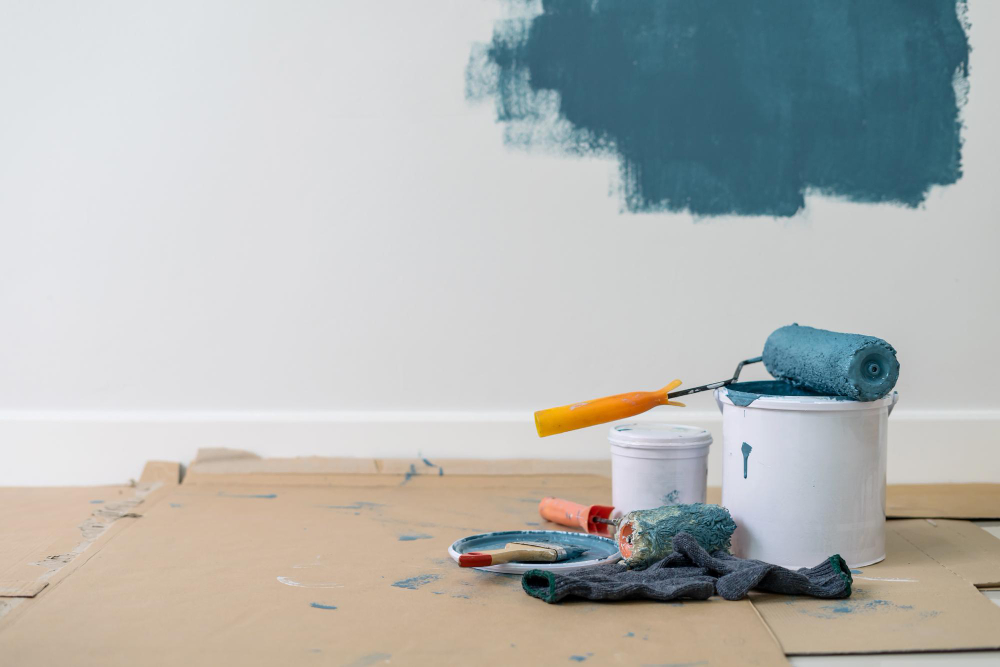
A freshly renovated house can be incredibly appealing. With its new paint, modern fixtures, and updated kitchen, a flipped property often looks like a dream home. However, while many house flippers do excellent work, some cut corners to maximize their profits, leaving hidden problems for the new owner.
This guide will empower you to look beyond the surface. We'll explore the benefits and risks of buying a flipped house and provide a detailed checklist to help you spot potential red flags. By the end, you'll know exactly what to look for, what questions to ask, and how to protect your investment.
What is a Flipped House?
A flipped house is a property that an investor buys, renovates quickly, and sells for a profit. The goal is a fast turnaround, which can sometimes lead to rushed work. While the cosmetic updates are often stunning, the real quality of a flip lies in what you can't see.
Benefits of Buying a Flip:
- Move-in ready with modern finishes.
- Updated systems and appliances may be more energy-efficient.
- No need to live through a messy renovation.
Risks of Buying a Flip:
- Hidden structural or mechanical issues.
- Poor quality workmanship masked by new paint and flooring.
- Unpermitted work can lead to safety and legal matters.
Your Detailed Flipped House Checklist
Use this comprehensive checklist to evaluate a potential property. Don't be afraid to look closely—it's your money and your future home.
1. Permits, Disclosures, and Paperwork
Proper documentation is your first line of defense, as it demonstrates that the work was done to code and in accordance with the law.
- Verify Permits: Request a list of all renovations and the corresponding permits from the seller. Visit the local building department's website or office to confirm that these permits were pulled and, most importantly, closed out. Closed permits indicate that an inspector has approved the work.
- Read Seller's Disclosures: This document requires the seller to disclose known issues. Look for any information related to past leaks, foundation issues, or unpermitted work. If the seller is an LLC and has never lived there, they may claim they have no knowledge, which makes your own due diligence even more critical.
- Ask for Warranties: Inquire about warranties for new appliances, the roof, windows, and any work performed by contractors. Transferable warranties are a significant plus.
2. Structural Integrity
Cosmetic fixes can't hide major structural problems for long.
- Foundation: Walk around the exterior and through the basement or crawl space. Look for large vertical or stair-step cracks in the foundation walls, sloping floors, or doors that don't close properly.
- Roof: From the ground, look for missing, curling, or mismatched shingles. Check the attic for signs of water stains on the underside of the roof sheathing.
- Framing: If you can see exposed framing in a basement or attic, look for straight, solid wood. Any new-looking wood next to old wood could indicate a recent repair that needs further investigation.
3. Mechanical Systems
These are the expensive, non-glamorous systems that keep a home running.
- HVAC: Check the age of the furnace and air conditioner. Look for clean filters and test both the heating and cooling functions.
- Electrical: Open the electrical panel. Does it look neat and labeled, or is it a "spaghetti" of wires? Look for modern, grounded outlets (three-prong) throughout the house. Flickering lights can be a red flag.
- Plumbing: Turn on faucets and check for strong, consistent water pressure. Run multiple faucets simultaneously to see if the pressure drops significantly. Look under sinks for any signs of leaks or fresh water stains.
4. Moisture, Mold, and Insulation
Water is a home's worst enemy.
- Moisture and Mold: A fresh coat of paint can hide water stains. Use your nose—a musty smell, especially in basements or bathrooms, is a significant warning sign. Check corners, closets, and around window frames for soft drywall or peeling paint.
- Insulation and Ventilation: Pop your head into the attic. You should see a thick, even layer of insulation. Check for proper ventilation, like soffit and ridge vents, which prevent moisture buildup and ice dams.
- Exterior Drainage: The ground around the foundation should slope away from the house to prevent water accumulation. Downspouts should extend several feet from the home to direct water away from the foundation.
5. Workmanship and Finishing Quality
This is where you can often spot signs of a rushed job.
- Tile, Paint, and Trim: Are the grout lines straight and consistent? Is the paint job neat, or are there drips and splatters on trim and floors? Is the trim and molding cut precisely and caulked smoothly?
- Windows and Doors: Open and close every window and door. They should operate smoothly without sticking. Look for condensation between window panes, which indicates a broken seal.
- Kitchen and Bath Fixtures: Ensure that all fixtures are securely installed. A wobbly toilet or a loose faucet suggests a lack of care. Verify that the appliances are new and from reputable brands, not just the cheapest models available.
The Power of Independent Inspections
Never skip a professional home inspection, especially when flipping a property. The seller's "pre-inspection" report is not a substitute.
- General Home Inspection: A qualified inspector will spend several hours examining the home from top to bottom. Select an inspector known for their thoroughness and attention to detail. Attend the inspection so you can ask questions in real-time.
- Specialized Inspections: Based on the general inspection or the age of the home, consider these additional checks: Sewer Scope, Roof Inspection, Termite/Pest Inspection
Your Path to a Smart Purchase
Buying a flipped house can be a fantastic way to get a stylish, move-in-ready home. The key is to be a detective, not just a buyer. By performing thorough due diligence, investing in independent inspections, and looking past the shiny new surfaces, you can uncover the true quality of the renovation.
Call John
Your next step is to find a real estate agent and a home inspector who have experience with flipped properties. Give me a call. I have years of experience guiding buyers through the homebuying process. John Gorden 928-308-0101.
