Prescott's Best Homes Real Estate Blog

July 6, 2026

Multigenerational Living in Prescott, AZ: Pros and Cons

Multigenerational Living

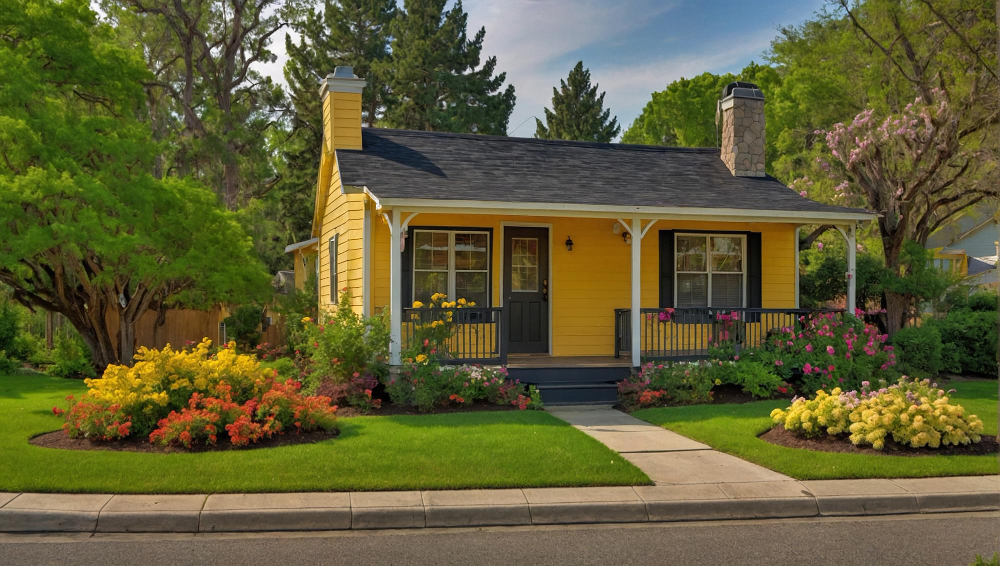
Multigenerational living—where two or more adult generations share one home—is growing in popularity across the U.S., and Prescott, Arizona, is no exception. This post breaks down the real advantages and drawbacks of this living arrangement to help you decide if it's the right fit for your family.

View More
Posted in Buying a Home
June 8, 2026

Prescott Homes Sell Faster in Summer — Here's Why

sell your house this summer

If you've been thinking about listing your home, summer might be your best window to do it. The Prescott real estate market tends to heat up right alongside the temperatures — and for sellers, that timing works in your favor.

This post is for homeowners in the Prescott area who are weighing when to list. You'll walk away understanding:

  • Why does buyer activity peak in summer
  • How do longer days and curb appeal work for you
  • Why families are highly motivated to close before the fall
  • What makes summer buyers uniquely serious

Let's break it down.

View More
Posted in Selling Your Home
May 7, 2026

Discover Your Dream Horse Property in Prescott, AZ

Horse Properties

Dreaming of waking up, stepping onto your back porch, and seeing your horses grazing just a few feet away? Prescott, Arizona, offers a unique blend of rich Western heritage and modern comfort, making it a top destination for equestrian buyers.


Finding the right home for you and your animals requires more than just a house hunt. You need ample space, accessible trails, and the right environment for your horses to thrive. The greater Prescott area delivers on all fronts.

In this guide, you will learn about the availability of equestrian properties in the region. We will explore the local trail systems, the diverse landscapes you can choose from, and why our mild climate creates ideal riding conditions year-round.

View More
Posted in Buying a Home
April 13, 2026

Guide to Buying a Second Home in Prescott, AZ


Second home in Prescott


Your Guide to Buying a Second Home in Prescott


Picture waking up to the smell of ponderosa pines, stepping out onto your porch to watch the sunrise over Granite Mountain, and knowing you have an entire weekend of relaxation ahead of you. Owning a second home gives you a dedicated escape from your daily routine. It provides a sanctuary where you can recharge, entertain family, and build

lifelong memories.


If you are considering purchasing a getaway property, Prescott, Arizona, offers an unmatched blend of natural beauty and small-town charm. While the idea of taking on a second real estate transaction might feel overwhelming at first, it does not have to be. When you have an experienced local realtor by your side, the journey becomes simple, exciting, and entirely manageable.


This guide will walk you through the essential steps to buying a second home in Prescott and show you exactly how

easy the process can be.


Why Choose Prescott for Your Second Home?


Before diving into the steps, it helps to understand why so many people choose Prescott as their ultimate retreat. Nestled at an elevation of over 5,000 feet, this city offers a mild, four-season climate that provides a welcome break from the intense heat of southern Arizona.


Stunning Scenic Beauty


Prescott boasts a landscape that shifts beautifully from high desert chaparral to dense, cool pine forests. Areas like the Prescott National Forest offer spectacular views, fresh mountain air, and a serene environment that instantly lowers your stress levels. Whether you want a cabin in the woods or a modern home with panoramic mountain views, the scenery here never disappoints.


Endless Outdoor Activities


If you love spending time outside, Prescott is your personal playground. You can hike or mountain bike along the hundreds of miles of trails winding through the region. Watson Lake and Lynx Lake offer fantastic opportunities for kayaking, paddleboarding, and fishing. Having a second home here means you are always just minutes away from your next great outdoor adventure.


Unmatched Community Charm


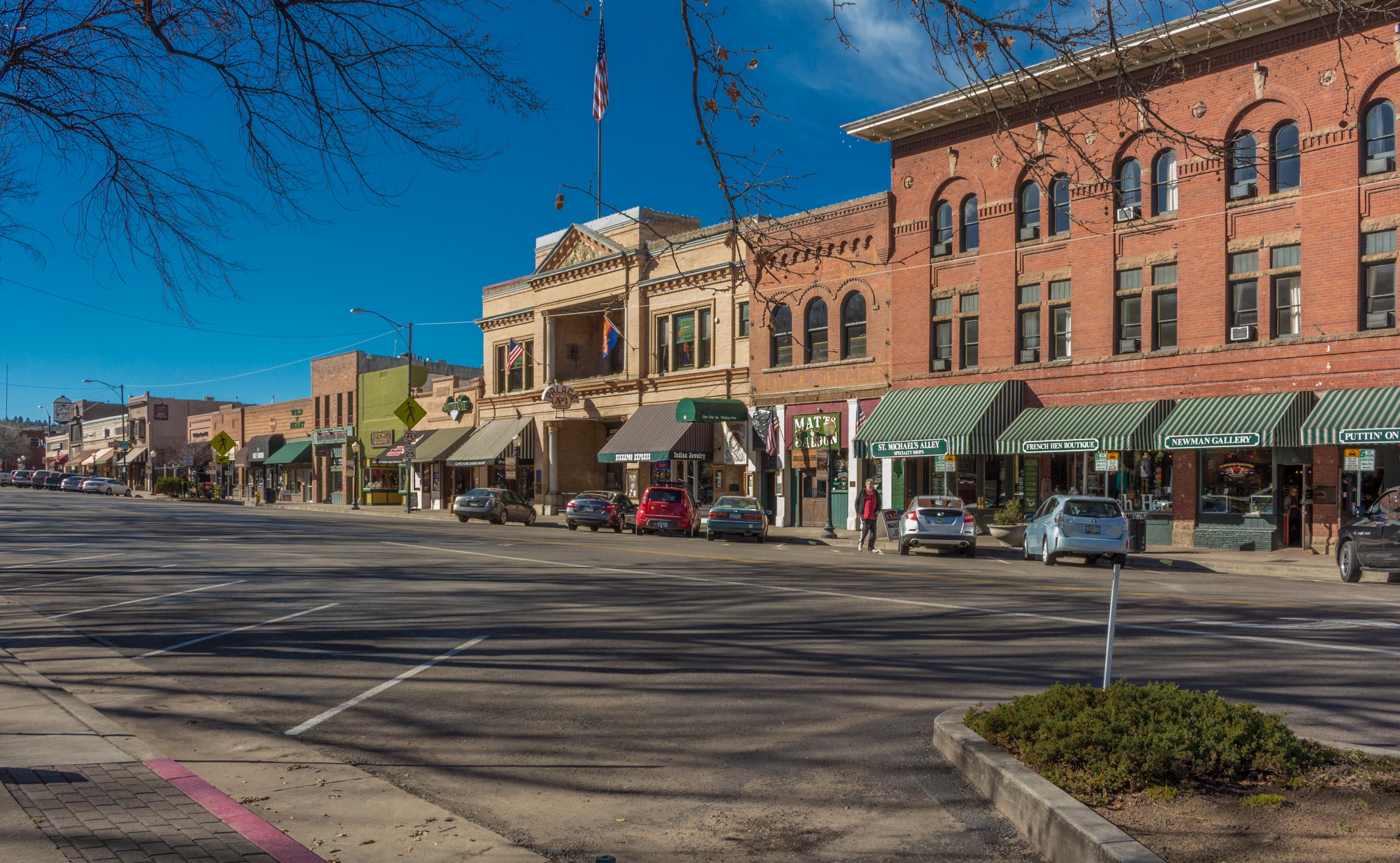
Prescott is famous for its welcoming, historic atmosphere. The downtown area, anchored by the beautiful Yavapai County Courthouse Plaza, features vibrant local businesses, cozy cafes, and incredible restaurants. Famous spots like Whiskey Row give the town a rich, historical character. Throughout the year, the community hosts art fairs, outdoor concerts, and the World's Oldest Rodeo, ensuring you always have something fun to do when you visit.


Step 1: Assess Your Financial Readiness


The first practical step in buying a second home is taking a close look at your finances. Purchasing another property involves different financial requirements than buying a primary residence.


Review Your Budget


You need to factor in more than just the monthly mortgage payment. A second home comes with its own set of utility bills, maintenance costs, property insurance, and potentially homeowners' association (HOA) fees. Make a comprehensive list of these projected expenses, so you know exactly what you can comfortably afford.


Explore Financing Options


Lenders typically have stricter requirements for second home mortgages. You will generally need a higher credit score and a larger down payment—often between 10% and 20%—compared to a primary home loan. Speak with a mortgage lender early in the process to get pre-approved. This step gives you a clear budget and strengthens your position when you are ready to make an offer.


Step 2: Choose the Perfect Location


Prescott features a wide variety of neighborhoods, each offering a distinct lifestyle. Deciding how you plan to use your second home will dictate the best location for you.


Secluded Retreats


If your goal is to disconnect completely, consider properties nestled among the tall pines in areas like Groom Creek or Williamson Valley. These locations offer incredible privacy, abundant wildlife, and an authentic mountain cabin feel.


Proximity to Downtown


You may prefer to be close to the action. Buying a home near downtown Prescott allows you to walk to coffee shops, browse local boutiques, and enjoy community events on the town square without worrying about parking.


Resort-Style Living


Prescott also features master-planned communities that offer resort-style amenities. Neighborhoods like Prescott Lakes provide access to golf courses, fitness centers, and swimming pools. An experienced local realtor will listen to your lifestyle goals and guide you to the neighborhoods that fit you best.


Step 3: Understand the Tax Implications


Owning a second home introduces new tax considerations. The way you use the property will determine how the IRS treats it, so you should consult with a tax professional before making your purchase.


Personal Use Only


If you plan to use the home exclusively for yourself, your family, and friends, you can generally deduct property taxes and mortgage interest, similar to your primary residence. This makes maintaining a second home more financially efficient.


Renting Your Property


Many second-home buyers choose to rent out their property on platforms like Airbnb or VRBO when they are not using it. If you rent the home for more than 14 days a year, you must report that income to the IRS. However, you can also deduct rental expenses, such as maintenance, utilities, and management fees. Keep in mind that some Prescott neighborhoods have strict rules regarding short-term rentals, which is another reason why local real estate expertise is invaluable.


Step 4: Partner With an Experienced Local Realtor


Buying a second home should be an exciting milestone, not a source of stress. The absolute best way to simplify the process is to work with a knowledgeable local realtor.


Navigating the Local Market


Real estate markets are highly localized. A Prescott real estate professional understands the nuances of the area, from well-water regulations in rural zones to specific HOA rules in planned communities. We know how to price properties, spot potential red flags, and negotiate the best possible deal on your behalf.


Managing the Process From Afar


Since you are buying a second home, you likely live outside the Prescott area. An experienced realtor acts as your boots on the ground. We can tour properties via video call, handle inspections, coordinate with local lenders and title companies, and ensure all paperwork moves forward smoothly while you remain comfortably at home.


A Stress-Free Experience


Our job is to handle the heavy lifting. From curating a list of homes that match your exact criteria to handing you the keys on closing day, we streamline every detail. You can focus on choosing furniture and planning your first weekend getaway, while we handle the complex logistics behind the scenes.


Ready to Find Your Prescott Getaway?


Owning a second home in Prescott is an investment in your happiness and well-being. With its breathtaking landscapes, vibrant community, and endless recreational opportunities, this mountain town provides the perfect backdrop for your home away from home.


You do not have to navigate this exciting journey alone. Working with a local expert makes the entire process clear, straightforward, and enjoyable.


Are you ready to start exploring the possibilities? Reach out today to discuss your vision for a second home in Prescott. Together, we will turn your dream of a mountain getaway into a beautiful reality.


John Gorden

(928) 308-0101

Posted in Buying a Home
March 11, 2026

How to De-Personalize Your Prescott Home for Sale


Getting Your Prescott Home Ready: The Art of De-Personalizing


Selling your house is an incredibly emotional journey. You have built a life within those walls, celebrated milestones, and created lasting memories. As a realtor here in beautiful Prescott, I have walked this path with countless families. I know firsthand that putting your home on the market means taking a big step toward your next chapter.


When you list your property, it transforms from your personal sanctuary into someone else's potential future. Because of this, preparing your house for the market requires a shift in perspective. You want buyers to walk through the front door and immediately picture themselves living there.


To make that happen, you need to de-personalize your space. By thoughtfully removing your personal layers, you give buyers a clean canvas to paint their own dreams on. Here is my favorite step-by-step guide to turning your cherished Prescott abode into a buyer's absolute dream home.


Why De-Personalizing Your Home Matters


Buying a house is rarely just a financial transaction. It is a highly emotional process. When a family walks into a showing, they are looking for a place to build their lives. If your home is filled with your personal artifacts, buyers might feel like guests intruding in your space rather than future owners exploring their new home.


By scaling back on your personal items, you invite buyers to start a new chapter. You allow them to imagine hosting summer barbecues on the patio, organizing their gear in the garage, and adding their own unique touch to every room.


Your Step-by-Step Guide to Preparing Your Space


Taking the leap to pack up your personal items early can feel daunting. However, tackling it one room at a time makes the process manageable and highly rewarding.


Pack Up Personal Photos


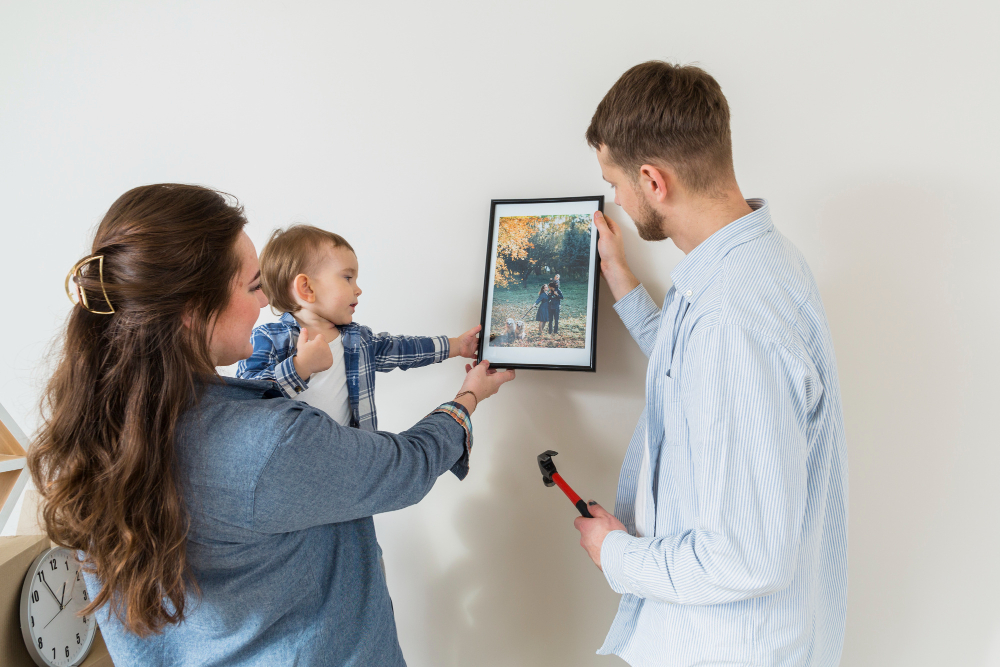
Start by taking down your beautiful family portraits, vacation snapshots, and personalized wall decor. These memories mean the world to you, but they scream "this is my home" to everyone else. When buyers look at your family photos, they focus on your story instead of their own.


Take a weekend to carefully pack these treasures away for your next home. You can easily replace them with neutral artwork or mirrors. Mirrors are especially great because they reflect light, making your rooms feel brighter and more spacious.


Declutter the Heart of the Home


The kitchen is the true heart of any home, and buyers want it to feel open and welcoming. Start by clearing most of the items from your countertops. Pack away the spice racks, small appliances, and the collection of fridge magnets.

Next, organize your cabinets and pantries. Buyers will open doors to check storage space, so make sure things look tidy. Leave some open shelf space to clearly convey the message that the kitchen offers ample room for their belongings.


Streamline Those Closets


Closets bursting at the seams suggest a frustrating lack of storage space. By decluttering your closets, you signal to potential buyers that your home is spacious, functional, and well-organized.


Start by packing away your off-season clothing. If it is summer, put those heavy winter coats and snow boots in storage. This is also the perfect time to donate items you no longer wear or use. A half-empty closet looks twice as big as a cluttered one.


Give Your Rooms Room to Breathe


When staging your home for showings, less is always more. You want buyers to notice the beautiful architectural details of your Prescott home, not your bulky furniture. Remove extra pieces that crowd a room to make the spaces appear significantly larger.


Focus on arranging your remaining furniture to define specific living areas. You want to maintain an open, easy flow throughout the entire house. If buyers can walk through a room without dodging an oversized chair, the space will feel much more inviting.


Embrace the Emotional Journey


Remember, every single item you pack away is an open invitation for new stories to unfold. The next homeowner is looking for a place to create their own magic. Selling your house is a deeply emotional process, but it is ultimately about passing the keys to someone else's dreams.


As you walk through your home and start packing, honor the memories you made there. Take a deep breath and know that you are simply making room for your own exciting next adventure.


I have years and years of experience helping people get their Prescott homes perfectly ready to sell. I know exactly what local buyers are looking for, and I am here to support you every step of the way. If you have questions, need a little reassurance, or want additional input on how to approach the staging process, please give me a call at (928) 308-0101. I would love to help you navigate this transition!

Posted in Selling Your Home
Feb. 11, 2026

How Much Down Payment Is Right for You?

house down payment

Buying a home in the Quad Cities is exciting. Whether you are eyeing a cabin in the pines near Thumb Butte or a home in Prescott Valley in the Granville subdivision, the question of money eventually comes up—specifically, the down payment.


For years, the "golden rule" was 20% down. If you didn't have that cash in hand, you weren't ready to buy. But times have changed. The Prescott market has evolved, and loan programs have become far more flexible. The "best" down payment isn't a single magic number—it's the amount that fits your specific financial puzzle.


The 20% Down Payment: The Traditional "Gold Standard"


Many buyers aim for 20% down, and for good reason. It's the cleanest way to buy a home, and it puts you in a strong equity position right away.


The Pros

  • No Private Mortgage Insurance (PMI): This is the biggest perk. Lenders typically require PMI if you put down less than 20% to protect themselves in case you default. By hitting that 20% mark, you avoid this extra monthly fee, which can range from 0.5% to 1.5% of your loan amount annually.
  • Lower Monthly Payments: A larger down payment means a smaller loan. Naturally, borrowing less money results in lower monthly principal and interest payments.
  • Stronger Offers: In competitive Prescott neighborhoods, sellers like certainty. A buyer with 20% down looks financially solid, which can make your offer more attractive than someone scraping together the minimum down payment.


The Con

  • Cash Drain: Saving 20% of a purchase price in Prescott—where the median home price often hovers around $600,000—means you need $120,000 in liquid cash. That can wipe out emergency funds or retirement savings, leaving you "house poor."


The Low Down Payment Options (3% - 5%)


First-time homebuyers often assume they are priced out of the Prescott market because they don't have tens of thousands saved. That is simply not true.


Conventional and FHA Loans


Conventional loans allow for as little as 3% down for first-time buyers. FHA loans, popular for their more lenient credit requirements, require just 3.5% down.


The Pros:

  • Get into a Home Sooner: Saving for a down payment takes time. While you spend three years saving for 20% down, home prices in Prescott might rise by 10% or more. Buying now with 5% down locks in your price and starts building equity immediately.
  • Liquidity: You keep your savings for moving costs, new furniture, or unexpected repairs.


The Cons:

  • PMI Costs: You will pay mortgage insurance. On an FHA loan, this stays for the life of the loan unless you refinance. On conventional loans, it eventually drops off.
  • Higher Interest: Sometimes, lower down payments come with slightly higher interest rates because the lender views the loan as riskier.


The Zero Down Options


Yes, you can buy a home in Yavapai County with $0 down.


VA Loans


If you are a veteran or active-duty military, the VA loan is arguably the best mortgage product available. It offers 0% down payment and usually has no monthly mortgage insurance. Given Prescott's strong veteran community, this is a very common and powerful tool here.


What Works in Prescott?


Our market is unique. We have a mix of retirees paying all cash and young families buying their first place.

If you are competing against cash offers—common in our luxury market or retirement communities—a higher down payment can help bridge the gap. It shows the seller you are serious.


The key is working with a local lender who can call the listing agent and vouch for your financial strength, regardless of your down payment size.


Don't let the fear of a down payment keep you renting. There is almost always a strategy to get you the keys to your new home.


Call me. I can connect you with trusted local lenders who can run the numbers for you—no pressure, just clarity. Contact me today to start your journey home.  John Gorden 928-308-0101


Posted in Buying a Home
Jan. 6, 2026

Buying a Second Home? Here's What to Consider


Vacation Home


Owning a second home is a dream for many. It can be a peaceful vacation getaway, a source of rental income, or a future retirement spot. Whatever your reason, this exciting step requires careful planning. As your real estate partner, I want to help you navigate the process with confidence. This guide will walk you through the key considerations for buying a second home so that you can turn your dream into a well-planned reality.


We'll explore everything from your financial readiness to the long-term responsibilities of ownership. By understanding the complete picture, you can make an informed decision that aligns with your lifestyle and financial goals.


Are You Financially Ready for a Second Home?


A second home is a significant financial commitment, and lenders will look closely at your ability to manage it. Getting pre-approved for a second mortgage is often more challenging than for a primary residence. Lenders typically require a higher credit score, a lower debt-to-income (DTI) ratio, and a larger down payment, often 20% or more.

Beyond the purchase price, you need to budget for a new set of recurring expenses. These include:


  • Mortgage Payments: A second mortgage payment on top of your current one.
  • Property Taxes: These can vary significantly by location.
  • Homeowners Insurance: Insurance for a second home, especially a vacation property that sits empty, can be more expensive.
  • Utilities: Electricity, water, gas, internet, and cable bills add up.
  • HOA Fees: If your property is in a planned community or condominium, you'll likely have monthly or annual homeowners' association fees.


It's wise to have a substantial cash reserve. This safety net will cover unexpected repairs, periods of vacancy if you plan to rent, and other unforeseen costs without straining your primary budget.


Define the Purpose of Your Second Home


Why do you want a second home? Your answer will shape every decision you make, from the location you choose to the type of property you buy.


A Personal Vacation Escape


If you're looking for a private getaway for you and your family, focus on what makes a location special to you. Do you dream of a cabin in the mountains, a cottage by the lake, or a condo near the beach? Consider travel time from your primary residence. A spot that is easy to get to will be used more often. For a personal retreat, you'll prioritize amenities that suit your lifestyle, like proximity to hiking trails, a great kitchen for family meals, or a comfortable living space for relaxing.


An Investment for Rental Income


Buying a property to generate income through short-term or long-term rentals requires a different mindset. You must think like an investor—research local rental markets to understand demand, typical occupancy rates, and potential revenue. Popular tourist destinations are often a good bet.


Look for properties with features that appeal to renters, such as extra bedrooms, a pool, or a prime location near attractions. You'll also need to factor in property management costs, marketing expenses, and cleaning fees. Be sure to check local zoning laws and HOA regulations regarding rentals, as some areas have restrictions.


A Future Retirement Home


If you're buying a second home with plans to retire there someday, think long-term. Consider accessibility and healthcare facilities in the area. A multi-story home with many stairs might be charming now, but will it be practical in 20 years? Look for a community that offers the lifestyle you envision for retirement, whether that's an active social scene, quiet solitude, or proximity to family.


Location, Location, Location (with a Twist)


Choosing a location for a second home involves a unique set of criteria.


  • Proximity and Accessibility: How far are you willing to travel? A three-hour drive is manageable for weekend trips, but a cross-country flight is a bigger commitment. Easy access means more enjoyment.
  • Local Market Conditions: Investigate the real estate market in your target areas. Is it a growing market? Are property values stable? A location with strong appreciation potential is a better long-term investment.
  • Seasonality: Many vacation spots have high and low seasons. This impacts everything from rental income potential to how crowded the area will be when you want to visit. Understand the year-round rhythm of the community.


The Responsibilities of a Second Homeowner


Owning another property means doubling your maintenance responsibilities. You can't just lock the door and forget about it.


Maintenance and Upkeep


Regular maintenance is crucial, especially for a property you don't live in full-time. This includes lawn care, seasonal preparations (like winterizing pipes), and routine checks for leaks or pests. You'll need to decide whether to handle these tasks yourself or hire local professionals. A reliable handyman, plumber, and landscaper in the area is invaluable.


Property Management


If you plan to rent out your home, a property manager can be a lifesaver. They handle marketing, booking, guest communication, cleaning, and emergency maintenance. While they charge a fee (usually a percentage of rental income), their services can provide peace of mind and ensure your investment is well-cared for, especially if you live far away.


Final Thoughts Before You Leap


Buying a second home is an exciting venture that can enrich your life in many ways. By carefully considering the financial, logistical, and personal aspects, you can ensure it remains a source of joy rather than stress. Take your time with the process, do your homework, and build a clear picture of what you want and what it will take to achieve it.


Are you ready to explore your options further? I'm here to provide personalized guidance, answer your questions, and help you find the perfect second home that fits your unique needs. Let's connect and start the conversation today.  John Gorden 928-308-0101


Posted in Buying a Home
Dec. 3, 2025

5 Best Ways to Make Your Best Offer When Buying a Home

Buying a home


Buying a home is often the most significant financial decision you will ever make. It's exciting, but it can also be incredibly stressful, especially when you find the perfect place and realize you aren't the only one who wants it. In a competitive market, the difference between getting the keys and getting a rejection email often comes down to strategy.


You don't just want to make an offer; you want to make your best offer. This doesn't always mean offering the most money. Sellers look for reliability, speed, and emotional connection, too. By understanding what motivates sellers and preparing in advance, you can position yourself as the ideal buyer.


Here are five proven strategies to help your offer stand out and get accepted.


1. Get Pre-Approved, Not Just Pre-Qualified

Before you even start touring homes, you need to show sellers you are serious. A pre-qualification letter is a good start, but it's just an estimate based on self-reported information. A pre-approval letter is far more powerful.

When you are pre-approved, a lender has already verified your financial information, credit score, and income. They have committed to lending you a specific amount of money.


Why It Matters

Sellers worry about deals falling through. If a buyer can't secure financing after an offer is accepted, the seller has wasted valuable time. A pre-approval letter tells the seller, "I have the money ready, and a bank has already vetted me." This gives you a massive advantage over buyers who have only a pre-qualification or no financing lined up.

Make sure your pre-approval is up to date and submit it with your offer. It acts as proof of funds and shows you are ready to close the deal quickly.


2. Offer a Competitive Price (But Be Smart About It)

This might seem obvious, but offering a competitive price is crucial. However, "competitive" doesn't always mean "highest." It means understanding the home's market value.

Work closely with your real estate agent to analyze comparable sales in the area (comps). If homes are selling 5% above the asking price, listing at the asking price might not be enough. Conversely, if the house has been sitting on the market for months, you might have more wiggle room.


The Strategy of the Escalation Clause

If you are in a bidding war, consider using an escalation clause. This clause states that you will outbid other offers by a specific amount (e.g., $1,000 or $5,000) up to a certain cap.

For example, if you offer $400,000 with a cap of $420,000, and someone else offers $405,000, your offer automatically jumps to $406,000 (or whatever increment you set). This allows you to stay competitive without immediately offering your absolute maximum budget.


3. Write a Personal Letter to the Seller

Real estate is a transaction, but it is also deeply emotional. Sellers often have years of memories tied to their home. They want to know that the new owners will love and care for the property just as much as they did.

Writing a personal letter can humanize your offer. Instead of just being "Offer #3," you become "The couple who loves the garden" or "The family excited to raise their kids near the local park."


What to Include

  • Compliments: Mention specific details you love about the house. Did they renovate the kitchen beautifully? Is the landscaping stunning? Let them know.
  • Connection: Share a little about yourself and why this home is perfect for your lifestyle.
  • Assurance: Reiterate your commitment to a smooth closing process.


Note: Be mindful of Fair Housing laws. Focus on your love for the property rather than personal characteristics that could violate these regulations. Your real estate agent can guide you on how to draft this safely and effectively.


4. Be Flexible with Contingencies

Contingencies are clauses in the contract that allow you to back out of the deal if certain conditions aren't met. Common contingencies involve home inspections, appraisals, and the sale of your current home.

While contingencies protect you, they add risk for the seller. A "cleaner" offer with fewer contingencies is often more attractive than a higher offer cluttered with "ifs" and "buts."


How to Reduce Contingencies Safely

You should never waive your rights recklessly, but you can modify them to be more seller-friendly:

  • Inspection for Information Only: You can agree to an inspection, but you promise not to request repairs unless major structural or safety issues are found. This assures the seller you won't nitpick minor cosmetic problems.
  • Appraisal Gap Coverage: If you have extra cash, you can offer to cover the difference (up to a certain amount) if the home appraises for less than your offer price.
  • Waive Sale Contingency: Avoid making your offer contingent on selling your current home first. Bridge loans or other financing options might help you here.


5. Offer a Larger Earnest Money Deposit

Earnest money is a "good faith" deposit you put down when you make an offer. It shows the seller you are committed to the purchase. This money eventually goes toward your down payment or closing costs.

Typically, earnest money is around 1% to 3% of the purchase price. However, increasing this amount speaks volumes about your seriousness.


Signaling Confidence

Putting down a larger deposit—say 5% or even 10%—tells the seller you are highly confident the deal will close. You are essentially putting more "skin in the game." If you back out without a valid legal reason (based on your contingencies), the seller gets to keep that money. By risking more, you prove you aren't going anywhere.

This strategy is particularly effective in hot markets where sellers are skeptical of flaky buyers. It's a powerful financial signal that doesn't actually cost you more money in the long run, as it's funds you would pay at closing anyway.


Call John

Making your best offer requires a mix of financial preparation and strategic thinking. By getting pre-approved, pricing competitively, connecting emotionally, streamlining contingencies, and increasing your earnest money, you present yourself as the ideal buyer.


Remember, every real estate market is different; this is where I can help. Call me and leverage my years of experience to put together a competitive offer that gets you into your next home faster!  John Gorden 928-308-0101


Posted in Buying a Home
Nov. 6, 2025

Things to Look For When Buying a Flipped House

Buying a Flipped House


A freshly renovated house can be incredibly appealing. With its new paint, modern fixtures, and updated kitchen, a flipped property often looks like a dream home. However, while many house flippers do excellent work, some cut corners to maximize their profits, leaving hidden problems for the new owner.


This guide will empower you to look beyond the surface. We'll explore the benefits and risks of buying a flipped house and provide a detailed checklist to help you spot potential red flags. By the end, you'll know exactly what to look for, what questions to ask, and how to protect your investment.


What is a Flipped House?


A flipped house is a property that an investor buys, renovates quickly, and sells for a profit. The goal is a fast turnaround, which can sometimes lead to rushed work. While the cosmetic updates are often stunning, the real quality of a flip lies in what you can't see.


Benefits of Buying a Flip:

  • Move-in ready with modern finishes.
  • Updated systems and appliances may be more energy-efficient.
  • No need to live through a messy renovation.


Risks of Buying a Flip:

  • Hidden structural or mechanical issues.
  • Poor quality workmanship masked by new paint and flooring.
  • Unpermitted work can lead to safety and legal matters.


Your Detailed Flipped House Checklist


Use this comprehensive checklist to evaluate a potential property. Don't be afraid to look closely—it's your money and your future home.


1. Permits, Disclosures, and Paperwork

Proper documentation is your first line of defense, as it demonstrates that the work was done to code and in accordance with the law.

  • Verify Permits: Request a list of all renovations and the corresponding permits from the seller. Visit the local building department's website or office to confirm that these permits were pulled and, most importantly, closed out. Closed permits indicate that an inspector has approved the work.
  • Read Seller's Disclosures: This document requires the seller to disclose known issues. Look for any information related to past leaks, foundation issues, or unpermitted work. If the seller is an LLC and has never lived there, they may claim they have no knowledge, which makes your own due diligence even more critical.
  • Ask for Warranties: Inquire about warranties for new appliances, the roof, windows, and any work performed by contractors. Transferable warranties are a significant plus.


2. Structural Integrity

Cosmetic fixes can't hide major structural problems for long.

  • Foundation: Walk around the exterior and through the basement or crawl space. Look for large vertical or stair-step cracks in the foundation walls, sloping floors, or doors that don't close properly.
  • Roof: From the ground, look for missing, curling, or mismatched shingles. Check the attic for signs of water stains on the underside of the roof sheathing.
  • Framing: If you can see exposed framing in a basement or attic, look for straight, solid wood. Any new-looking wood next to old wood could indicate a recent repair that needs further investigation.


3. Mechanical Systems

These are the expensive, non-glamorous systems that keep a home running.

  • HVAC: Check the age of the furnace and air conditioner. Look for clean filters and test both the heating and cooling functions.
  • Electrical: Open the electrical panel. Does it look neat and labeled, or is it a "spaghetti" of wires? Look for modern, grounded outlets (three-prong) throughout the house. Flickering lights can be a red flag.
  • Plumbing: Turn on faucets and check for strong, consistent water pressure. Run multiple faucets simultaneously to see if the pressure drops significantly. Look under sinks for any signs of leaks or fresh water stains.


4. Moisture, Mold, and Insulation

Water is a home's worst enemy.

  • Moisture and Mold: A fresh coat of paint can hide water stains. Use your nose—a musty smell, especially in basements or bathrooms, is a significant warning sign. Check corners, closets, and around window frames for soft drywall or peeling paint.
  • Insulation and Ventilation: Pop your head into the attic. You should see a thick, even layer of insulation. Check for proper ventilation, like soffit and ridge vents, which prevent moisture buildup and ice dams.
  • Exterior Drainage: The ground around the foundation should slope away from the house to prevent water accumulation. Downspouts should extend several feet from the home to direct water away from the foundation.


5. Workmanship and Finishing Quality

This is where you can often spot signs of a rushed job.

  • Tile, Paint, and Trim: Are the grout lines straight and consistent? Is the paint job neat, or are there drips and splatters on trim and floors? Is the trim and molding cut precisely and caulked smoothly?
  • Windows and Doors: Open and close every window and door. They should operate smoothly without sticking. Look for condensation between window panes, which indicates a broken seal.
  • Kitchen and Bath Fixtures: Ensure that all fixtures are securely installed. A wobbly toilet or a loose faucet suggests a lack of care. Verify that the appliances are new and from reputable brands, not just the cheapest models available.


The Power of Independent Inspections


Never skip a professional home inspection, especially when flipping a property. The seller's "pre-inspection" report is not a substitute.

  • General Home Inspection: A qualified inspector will spend several hours examining the home from top to bottom. Select an inspector known for their thoroughness and attention to detail. Attend the inspection so you can ask questions in real-time.
    • Specialized Inspections: Based on the general inspection or the age of the home, consider these additional checks: Sewer Scope, Roof Inspection, Termite/Pest Inspection


Your Path to a Smart Purchase


Buying a flipped house can be a fantastic way to get a stylish, move-in-ready home. The key is to be a detective, not just a buyer. By performing thorough due diligence, investing in independent inspections, and looking past the shiny new surfaces, you can uncover the true quality of the renovation.


Call John

Your next step is to find a real estate agent and a home inspector who have experience with flipped properties. Give me a call. I have years of experience guiding buyers through the homebuying process. John Gorden 928-308-0101.


Posted in Buying a Home
Oct. 8, 2025

Your WFH House Hunt: A Buyer's Guide


Work at home


The rise of remote and hybrid work has fundamentally changed how we live, and for many, it has also changed where we live. When your home is also your office, the criteria for the perfect house shift dramatically; it's no longer just about curb appeal and school districts; it's about productivity, connectivity, and well-being. This guide will walk you through the essential factors to consider when buying a home in the age of remote work.


Rethinking Location in a Remote World

Without a daily commute, you have more freedom in choosing a location. However, new considerations take the place of proximity to the office.


Key Location Factors

  • Commute Frequency: If you have a hybrid schedule, how long is the occasional drive to the office? A 90-minute commute might be tolerable once a month, but it becomes frustrating when it's done once a week.
  • Coworking and Coffee Shops: Check for nearby third spaces, such as coworking offices, libraries, or cafes. These can provide a much-needed change of scenery and a backup plan if your home internet goes down.
  • Neighborhood Noise: Visit the property at different times of the day. Is it under a flight path? Near a fire station, hospital, or busy commercial street? What seems quiet on a Sunday afternoon might be noisy during your Tuesday morning meeting.
  • Deliveries and Access: Consider the logistics of frequent package deliveries. Is there a secure spot for them? Are the roads easily accessible for delivery trucks?


Connectivity is Non-Negotiable

In a work-from-home setup, your internet connection is your lifeline. Don't take it for granted.

  • Broadband Providers: Research which Internet Service Providers (ISPs) serve the address. Are there multiple options, like fiber, cable, and 5G home internet? Competition often means better prices and service.
  • Cell Coverage: Walk around the property, both inside and out, and check your phone's signal strength. Poor cell service can be a significant issue if you rely on your phone for calls or as a backup internet source.

Power and Internet: The Foundation of Your Home Office

A beautiful home office is useless without reliable power and a stable internet connection. Consider infrastructure and redundancy from the outset.


Internet Speed and Reliability

Don't just ask about speed; inquire about consistency. Fiber optic internet is generally considered the gold standard due to its high speeds and reliability. When touring a home, ask the current owners about their experience with internet dropouts or slowdowns.


Power Backup Plan

A power outage can bring your workday to a halt.

  • Uninterruptible Power Supply (UPS): At a minimum, plan to use a UPS for your computer and router. This battery backup provides you with sufficient time to save your work and shut down properly.
  • Generator-Ready: Look for homes with a transfer switch already installed for a portable generator, or consider the cost of adding one. A whole-home generator provides the ultimate peace of mind.


Designing Your Dedicated Workspace

Blurring the lines between home and work is a significant challenge for remote employees. A dedicated, well-designed workspace is crucial for focus and mental separation.


The Ideal Home Office


  • Size and Layout: Is the room large enough for your desk, chair, and storage without feeling cramped? Can you position your desk to have a professional-looking background for video calls?
  • Acoustics and Soundproofing: Hardwood floors and high ceilings can create echoes, which can be mitigated by using soundproofing materials. Consider rooms with carpeting or plan to add rugs. Listen for sounds traveling from other parts of the house.
  • Natural Light: A window provides mood-boosting natural light, but make sure it won't cause glare on your screen. North-facing windows offer consistent, indirect light that's ideal for a workspace.


Managing Noise and Privacy

Interruptions from family, pets, or neighbors can disrupt your flow. The right floor plan and construction can make a huge difference.


  • Floor Plan: An office located away from high-traffic areas, such as the kitchen or living room, is ideal. A room with a solid door is a must.
  • Insulation: Interior wall insulation, while not standard in all homes, is excellent for sound dampening.
  • Window Quality: Double- or triple-pane windows are effective at blocking outside noise.


Finding the right home as a remote worker requires a new perspective. By focusing on these key areas—from connectivity and comfort to privacy and long-term costs—you can find a property that supports both your career and your lifestyle.


Call me when you are ready to start searching for a home that suits your family's and work needs.  John Gorden (928) 308-0101

Posted in Buying a Home