
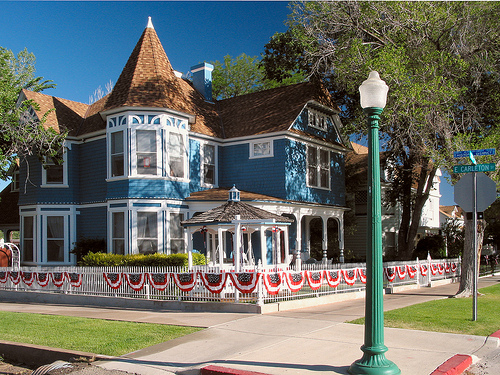
Here are a few things to consider before you pull the home buying trigger:
Be aware of lead, asbestos, and other things hiding behind the walls: Pipes and paint can be lead culprits while asbestos in basements, attics, and walls may be lurking. Also, it’s not uncommon for there to be abandoned septic tanks, cesspools, wells, or even heating oil reservoirs buried somewhere on the property.
Renovation restrictions: A truly historic home may be ineligible for certain renovations depending on preservation guidelines. Make sure to check out the preservation guidelines beforehand if you have plans for renovations.
Wiring and plumbing: If the electrical system in the house hasn’t been upgraded, you might find yourself facing problems if you want to add significant appliances or other major power loads to the system. Older plumbing can also prevent typical repair jobs as well.
Authenticity is expensive: The materials you’ll need to repair or restore original fixtures, windows, or other aesthetic components of the house can ad up quickly.
Now I know that this makes me sound like a “Debbie Downer,” but I promise I really do love Historical Homes. My goal is to prepare you for the challenges that may occur when purchasing a historical home. Click here for 10 tips for Inspecting Historic Houses Before You Buy from the National Trust for Historic Preservation. If you’re exploring historic homes, be sure to ask the current owners about all of these issues to see if they’ve dealt with them).
If you’d like to look at historic homes or think perhaps it’s time to consider something a bit newer, let me help you find just the right house: 928-308-0101

:format(webp):quality(80)/u.realgeeks.media/prescottsbesthomes/Prescott-Best-Homes-Logo-for-sidebar.png)